


Why School Libraries Are Still the Most Magical Spaces

Step into the library at Millennium World School Bengaluru North and you’ll feel it immediately a gentle hush full of possibility, the soft rustle of pages, the wide-eyed wonder of children discovering stories that stay with them for life. In an age of screens, instant answers, and rapid consumption, the school library remains one of the few places where learning slows down and imagination opens up. Since its launch in 2019, Millennium World School has worked to lay the right foundation for the next generation blending values, innovative pedagogy, and rich co-curricular opportunities. The library is at the heart of that mission: a timeless space that encourages imagination, builds reading habits, and fosters a lifelong love for knowledge. A Launchpad for Imagination Books let children travel without moving. A picture book can send a 5-year-old to a jungle, a chapter novel can make a 10-year-old a detective, and a biography can inspire a teenager to dream bigger. Unlike fast-moving digital content, books invite readers to imagine, to fill in details, and to create mental worlds a mental exercise that strengthens creativity, empathy, and original thinking. This focus on imagination is built into MWS’s curriculum and learning philosophy, where creative thinking is treated as a core competency, not an optional extra. Where Reading Habits Begin and Last Many adults still remember the first book they truly loved. For most, that memory begins in a school library. At Millennium World School, reading isn’t a chore; it’s a celebration woven into school life. Students enjoy: These practices build vocabulary, concentration, comprehension, and empathy benefits that translate across subjects and last a lifetime. When children read by choice, reading becomes part of who they are. Learning for Joy, Not Just Marks Millennium World School believes education should shape both the mind and the heart. The library is one of the few school spaces where the focus is pure curiosity: no deadlines, no scores, just discovery. Children learn that knowledge is a joy, not merely a means to an exam result. That mindset is crucial to raising lifelong learners students who return to learning out of interest, not obligation. A Hub for Holistic, Inquiry-Led Learning The modern library at MWS complements classroom teaching by offering resources that go beyond textbooks: reference books, non-fiction titles, biographies, and thematic collections that support projects and personal interests. This approach aligns with the school’s experiential and holistic learning work see examples of how we blend inquiry and hands-on learning in our Experiential Learning pages. The library helps students learn how to ask better questions, verify facts, and connect ideas across disciplines. A Calm, Safe Space for Every Child In a busy school day, children need a quiet place to pause. The library offers that calm: a corner to curl up with a book, a shelf to browse at leisure, a librarian to recommend the next great read. This quiet time supports mental well-being and self-reflection part of the school’s larger commitment to whole-child wellness (learn more on our holistic development page). Whether a child is outgoing or shy, the library becomes a space where they can be themselves. Thoughtful Design + Caring Staff = Lasting Impact Millennium World School’s library is intentionally designed to welcome young readers: child-friendly shelves, comfortable nooks, theme-based displays, and a carefully curated collection across genres and age groups. A passionate librarian and supportive teachers help match children with books that spark joy and curiosity. This infrastructure sits alongside the school’s broader facilities and learning spaces see details on our Facilities page creating an environment where discovery and growth happen naturally. Why Libraries Still Matter in the Digital Age Yes, children can access information on devices. But screens can fragment attention and remove the tactile, immersive joy of reading. Libraries offer: Millennium World School blends technology where it helps, while making sure the magic of books remains central to a child’s experience. The Gift That Keeps Giving A library is more than a room filled with books it’s where a child meets a story that opens a new world, finds a fact that sparks a future hobby, or discovers a hero whose values become part of their own. These memories shape how children learn, play, and grow. At Millennium World School Bengaluru North, the library is treasured for exactly that reason. It supports the school’s mission to cultivate India’s finest minds by nurturing curiosity, empathy, and a lifelong love for learning. Conclusion Libraries are timeless because they give children what no algorithm can: space to imagine, time to think, and freedom to explore. At Millennium World School – Bengaluru North, the library is a living part of our educational vision a magical space where young minds begin a lasting love affair with reading and knowledge. At Millennium World School – Bengaluru North, this magic is not just preserved it is celebrated every day. The library reflects the school’s belief that education must inspire, empower, and nurture India’s finest future minds.
Creating a Safe and Happy School Environment for Every Child
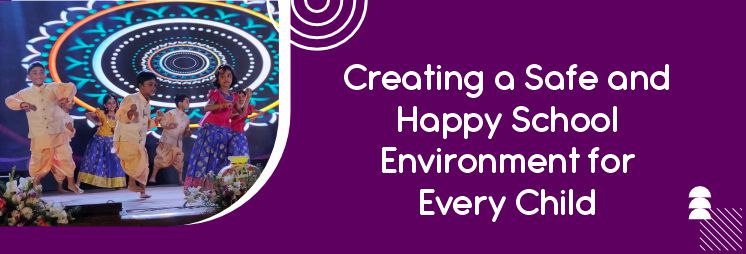
Walk into any school during morning arrival, and you’ll notice something instantly the atmosphere. Some spaces feel calm and inviting, while others feel rushed or overwhelming. At MWS Bengaluru North, the first thing children experience is warmth. Teachers greet them with familiar smiles. Friends wave enthusiastically. The campus feels alive, yet comforting. This is not accidental. It is the result of a conscious commitment to something profoundly important: creating a safe and happy environment for every child, every single day. Children spend a significant part of their lives in school, which means the environment around them deeply shapes their personality, confidence, emotional well-being, and sense of belonging. MWS has always believed that a great education doesn’t begin with books—it begins with how a child feels. When a child feels safe, respected, and understood, learning becomes joyful. Curiosity blooms. Confidence grows. And school becomes a place they look forward to, not just attend. One of the strongest pillars of this environment is emotional safety. Young minds carry big emotions, yet they don’t always have the words to express them. This is why teachers at MWS focus not just on what the child says, but how they feel. They take a moment to kneel to a child’s eye level, listen, and acknowledge their thoughts whether it’s excitement about a new project or hesitation about trying something unfamiliar. The tone in classrooms is gentle and encouraging, making children feel accepted exactly as they are. Mistakes are treated as stepping stones, not setbacks. This reduces fear and builds a mindset rooted in growth and resilience. Inclusivity forms another layer of MWS’s culture. To the school, inclusivity is not just about accommodating differences; it’s about celebrating them. Every child walks through the gates with a unique personality, background, set of abilities, and learning style. MWS ensures that each one feels at home. In classrooms, learning never follows a one-size-fits-all approach. Teachers adapt lessons to suit diverse learners whether a child understands better through stories, hands-on tasks, visuals, or discussions. This flexibility ensures no child feels left behind or overlooked. The learning environment is built on kindness and collaboration. Children learn to work together, help each other, and appreciate each other’s strengths. A child who may be shy in academic tasks may shine during an art activity; another who struggles with writing may be exceptional in sports. MWS makes sure every child finds something they feel proud of. There is no pressure to fit into labels. Instead, there is space to grow, explore, and discover one’s individuality. The celebrations on campus mirror India’s cultural diversity, helping children understand and appreciate different traditions and values. This exposure builds empathy and global-mindedness qualities that matter immensely in today’s world. At the heart of MWS’s philosophy is a child-centered approach. Everything from classroom design to teaching methods to activity planning is thoughtfully created from a child’s perspective. Learning at MWS is not passive; it is alive. Children explore concepts through experiments, discussions, role-play, outdoor activities, and real-world connections. They ask questions, express ideas, and make choices in their learning journey. When a child’s voice is heard, they feel valued. When their ideas are respected, they become confident. When they are encouraged to try, question, and create, they grow into independent, curious thinkers. This child-centered approach also extends to discipline. Instead of fear-based methods, MWS uses reflective practices. Children talk about their actions, understand consequences, and think about better choices next time. This builds accountability without harming self-esteem. It teaches children how to problem-solve and build stronger relationships skills that shape emotionally intelligent individuals. Well-being at MWS is holistic. Classrooms are designed with natural light, calming colors, comfortable seating, and child-accessible resources. Outdoor spaces are integrated into learning; children spend time in nature, play freely, and release energy in healthy ways. Yoga, movement breaks, mindfulness moments, and breathing exercises help students stay balanced and focused. Nutrition and physical activity form core parts of the daily routine. By addressing mind, body, and heart together, MWS ensures that children develop into grounded, healthy individuals. A strong school environment is incomplete without a strong partnership with parents. MWS values parent-school collaboration as a key ingredient in a child’s success. Through regular communication, interactive PTMs, workshops, and open conversations, parents remain closely connected to their child’s progress and well-being. When children receive consistent messages of support at both home and school, their confidence rises naturally. All these layers emotional safety, inclusivity, child-centered learning, and a warm, collaborative culture come together to create something powerful: a school where children truly feel happy. And when children are happy, they thrive. They participate more. They build friendships effortlessly. They trust their teachers. They feel responsible. They learn to handle challenges with optimism. Their creativity flourishes. Every day feels like an opportunity, not an obligation. At MWS Bangalore, happiness is not an extra advantage it is part of the school’s mission. The goal is not just to educate children academically, but to nurture individuals who are emotionally secure, compassionate, confident, and ready to take on the world with courage and kindness. Creating a safe school environment is not a one-time effort; it is a continuous commitment. MWS upholds this commitment every day, ensuring that each child who enters its doors feels cherished, celebrated, and deeply supported. For parents seeking a school where their child will be both protected and prepared for the future, MWS stands as a place where childhood is honored, learning is joyful, and every child’s well-being comes first.
Celebrating Children’s Day: The Joy of Learning Beyond Books
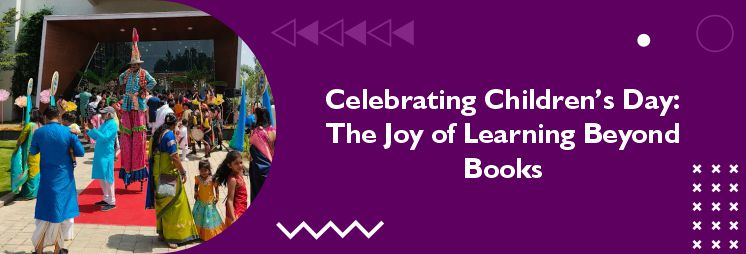
At MWS (Millennium World School), Children’s Day is more than a date on the calendar—it’s a celebration of childhood itself. Each year, the campus transforms into a vibrant, joyful space filled with creativity, laughter, and meaningful learning experiences. In a world where academic excellence often takes center stage, Children’s Day reminds us of the deeper purpose of education: nurturing confidence, imagination, emotional resilience, and the pure joy of exploration. While traditional lessons are important, many of the most powerful learning moments happen outside books. Festivals and celebrations at MWS, especially Children’s Day, reinforce our belief that children learn best when they feel valued, inspired, and emotionally connected to their environment. This special day becomes a platform where learning becomes experiential, inclusive, and joyful helping students grow into well-rounded individuals. Why Celebrations Like Children’s Day Matter in a Child’s Development Innovation cannot thrive in a rigid, one-dimensional learning system. Research globally shows that chChildren flourish when they feel seen, heard, and understood. Celebrations not only break the monotony of the academic routine but also create safe, happy spaces where students can express themselves freely. Events like Children’s Day at MWS offer: Learning in such moments extends far beyond textbooks it becomes personal, meaningful, and joyful. Fostering Creativity Through Playful Learning One of the highlights of Children’s Day at MWS is the emphasis on creative expression. The day is filled with activities designed to encourage imagination art corners, craft challenges, dance-offs, storytelling sessions, and hands-on explorations. Children are naturally creative, and when given the right environment, they surprise us with remarkable ideas. Through playful learning: These creative experiences complement classroom learning and support MWS’s holistic educational goals. Creativity is not just a skill for the artist is vital for problem-solving, innovation, and communication, essential for future-ready learners. The Joy of Learning Beyond Books Children’s Day celebrations at MWS highlight an important message: education is not limited to structured lessons. Children learn through movement, interaction, imagination, and exploration modes that are often ignited during school celebrations. Through music, fun games, team-building activities, and interactive performances, students experience: This joy-filled environment directly contributes to better academic engagement. When children are happy, they learn better, participate more confidently, and express themselves openly. Emotional Growth: The Heart of Children’s Day at MWS In today’s fast-moving world, emotional well-being is just as important as academic achievement. Children’s Day becomes a meaningful opportunity for emotional development in students. Teachers at MWS carefully design activities that help children: When children feel emotionally secure, they develop stronger relationships, handle challenges with resilience, and approach learning with enthusiasm. Celebrations like Children’s Day create a sense of belonging, reminding students that school is a place where they are cherished, supported, and valued. Teacher-Led Performances: A Tradition of Love at MWS One of the most heart-warming traditions at MWS is the special Children’s Day performance by teachers. Whether it’s a skit, dance, or musical surprise, these performances show students that their educators care deeply about their happiness. This gesture: When students see their teachers stepping into creative roles, it encourages them to explore their own talents without fear. A Celebration That Encourages Confidence and Expression FChildren’s Day at MWS is also an opportunity for students to showcase their talents. Talent shows, open mic sessions, fancy dress parades, and small stage performances help children express themselves with pride. These moments play a major role in developing: MWS believes that every child has a unique spark, and Children’s Day is the perfect platform to let those sparks shine brightly. Holistic Learning: The MWS Approach At MWS, celebrations aren’t extracurricular they are co-curricular. They are intentionally woven into the school culture to support holistic learning. Whether it’s Children’s Day, festivals, STEM weeks, or cultural events, each experience helps students grow emotionally, creatively, academically, and socially. This is aligned with the school’s philosophy of learning that goes beyond rote memorization. When students participate in diverse experiences, they become: This is the foundation of child-centric education at MWS. Conclusion: Celebrating Childhood, Nurturing Futures Children’s Day at MWS reminds us that learning is most powerful when it is joyful, meaningful, and emotionally fulfilling. Through celebrations that focus on creativity, fun, and emotional bonding, MWS nurtures confident, curious, and compassionate young learners. By learning beyond books, students develop not only academic skills but also the ability to imagine, express, empathize, and dream qualities that shape future-ready individuals. Celebrating Children’s Day is a celebration of the limitless potential within every child. And at MWS, we are proud to nurture that potential with love, creativity, and purpose.
Nurturing Every Child’s Potential: How Schools Shape Future Innovators
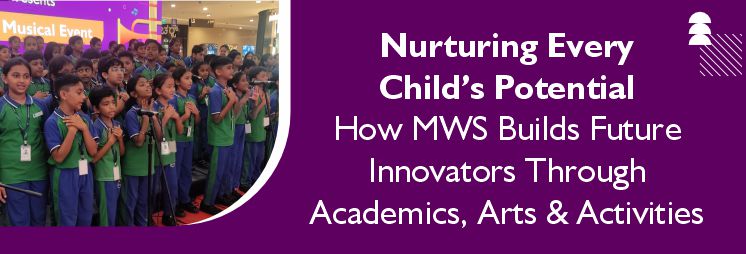
SIn today’s rapidly evolving world, innovation is no longer a luxury it is a necessity. The careers of the future will require children to think beyond textbooks, question boldly, create fearlessly, and collaborate meaningfully. Schools play a transformative role in shaping this mindset. At Millennium World School (MWS), nurturing future innovators begins with one powerful educational philosophy: a balanced approach that blends academics, arts, and activities to unlock every child’s full potential. From classroom learning to creative arts, from sports to hands-on experiences, MWS believes that innovation grows when children are encouraged to explore, express, and experiment. This is what sets MWS apart a holistic ecosystem designed to inspire confident, curious, and capable learners. Why Balanced Learning Matters for Future Innovators Innovation cannot thrive in a rigid, one-dimensional learning system. Research globally shows that children develop essential 21st-century skills such as creativity, problem-solving, and critical thinking when they are exposed to diverse learning experiences. MWS’s balanced approach ensures that students are not limited to academic excellence alone. Instead, they grow intellectually, emotionally, socially, and creatively through a rich blend of: This integrated model helps students think in multiple dimensions exactly what future innovators need. 1. Academics at MWS: Building Foundations for Deep Thinking Academics at MWS go beyond rote memorization. The school follows a concept-driven, skill-based learning structure that encourages students to understand, analyse, and apply their knowledge. Key elements that strengthen innovation through academics: ✅ Experiential and inquiry-based learning Students learn through hands-on experiments, real-life connections, and discovery-led classroom practices. Whether it’s a science concept or a mathematical idea, children are guided to explore the “why” behind the “what.” ✅ Technology-integrated classrooms mart classrooms, digital tools, and structured STEM programs ensure students stay future-ready and comfortable with modern innovation platforms. ✅ Critical thinking assignments and projects Students regularly engage in individual and group projects that require planning, decision-making, analysis, and creative problem-solving. ✅ ersonalized learning pathways Teachers identify the strengths, interests, and needs of every child. This helps in designing customised learning experiences that bring out each child’s unique potential. By strengthening academic confidence and curiosity, MWS lays the foundation for higher-order thinking a core quality of every future innovator. 2. Arts at MWS: The Creative Engine of Innovation Great innovators from scientists to tech leaders often have strong artistic backgrounds. Arts fuel imagination, emotional intelligence, and out-of-the-box thinking. MWS ensures that art is not an “extra,” but an integral part of a child’s development. How the arts nurture innovation at MWS: ✅ Visual arts that encourage expression Drawing, painting, sculpture, and craft activities allow students to visualise ideas, explore perspectives, and express their individuality. ✅ Performing arts that build confidence Music, dance, drama, and theatre help students become expressive thinkers who communicate confidently an essential skill for leadership and innovation. ✅ Design thinking and creativity workshops Students participate in creative design challenges, storytelling sessions, and imagination-building exercises that sharpen their creative problem-solving abilities. ✅ Celebration of creativity through events Annual exhibitions, art shows, performances, and showcases highlight every child’s creative journey, boosting self-belief and artistic confidence. At MWS, the arts create a safe space for curiosity, imagination, and fearless exploration the heart of innovation. 3. Activities & Sports: Building Confidence, Resilience, and Leadership Innovation thrives where there is confidence and resilience. MWS strengthens these qualities by offering a powerful blend of activities beyond academics. ✅ Sports that build discipline and teamwork From football to athletics, yoga to skating, sports at MWS help students learn leadership, strategy, and emotional strength. ✅ Clubs that encourage exploration Robotics Club, Literary Club, Eco Club, Math Club, and more allow students to pursue passions while developing unique skills. ✅ Events and competitions Inter-school competitions, science fairs, talent shows, and Olympiads expose students to healthy challenges and real-world experiences. ✅ Outdoor learning and field trips Educational tours and experiential visits give children the opportunity to observe, analyse, and learn from the world beyond textbooks. ✅ Life skills and value-based programs Students participate in programs that teach communication, problem solving, empathy, and collaboration key traits of innovative thinkers. These activities help students grow into well-rounded individuals who think, act, and innovate with confidence. How MWS Brings It All Together: A 360° Learning Experience What makes Millennium World School truly unique is its commitment to creating a seamless blend of academics, arts, and activities. The school environment ensures that students don’t just learn they thrive. MWS’s 360° approach includes: Every element is designed to nurture whole-child development, preparing students not just for school exams but for life. Why This Balanced Approach Builds Future Innovators Future challenges demand creative problem solvers, empathetic leaders, and adaptable thinkers. MWS’s balanced approach ensures students: This holistic development is what empowers them to become tomorrow’s innovators, thinkers, and changemakers.
Top 5 Study Habits for Young Learners

Strong study habits help young learners stay focused, learn faster, and grow with confidence. In today’s fast-paced world, helping young learners develop strong study habits is essential. These habits not only improve academic performance but also shape their ability to focus, manage time, and stay confident in their learning journey. At Millennium World School Bangalore, we believe early exposure to the right study strategies helps students succeed inside and outside the classroom. 👉 Explore our latest educational insights and blog posts for more tips to help your child thrive. 1. Establish a Consistent Routine Setting a fixed study routine builds discipline and consistency. When children know when and where to study, they can focus better and transition smoothly into “learning mode.” ✅ Create a distraction-free study corner. ✅ Choose a specific time daily consistency is key. ✅ Celebrate small wins to motivate your child. A steady routine helps young learners feel organized and in control reducing anxiety and improving productivity. Over time, they associate study time with focus and achievement. 2. Break Study Tasks into Manageable Chunks In a multicultural world, schools are often melting pots of traditions. Celebrating different festivals Children have shorter attention spans; long study sessions can cause fatigue or frustration. Instead, break lessons into smaller, achievable parts. ✅ Encourage 25–30 minute study blocks followed by short breaks. ✅ Use flashcards or mind maps to simplify complex ideas. ✅ Set small goals like finishing one topic or a few pages. This approach prevents mental overload and improves memory retention. Each completed task boosts your child’s sense of accomplishment and self-confidence. 3. Eliminate Distractions and Build a Focused Environment Celebrations in school spark joy and growth because they provide opportunities for emotional learning. Distraction is one of the biggest barriers to learning. Creating a focused study environment helps children absorb information more efficiently. ✅ Turn off TVs, mobile phones, and background noise during study time. ✅ Keep the study area clean and organized. ✅ Encourage single-tasking one subject at a time. 👉 Learn how mindfulness practices support student focus and well-being to make your child’s learning more intentional and peaceful. Why it works: Focused study boosts attention span, improves recall, and builds mental endurance. Children who can stay attentive develop higher confidence and self-control. 4. Use Active Learning Techniques Festivals bring with them endless opportunities for children to explore their imagination. Whether it’s cActive learning keeps young minds engaged. Instead of passively reading, involve them in summarizing, explaining, and applying what they learn. ✅ Ask them to teach the concept to you or a sibling. ✅ Encourage note-taking, doodle summaries, or mini quizzes. ✅ Use colorful visuals, story-based learning, or flashcards. Active learning makes studying fun and improves comprehension. When children realize they can explain something clearly, their confidence soars. . 5. Prioritise Health, Breaks, and Self-Care Behind the fun and festivities, every celebration carries a deeper lesson. Schools can use festivals as mHealthy students are better learners. Physical well-being directly influences mental focus and emotional balance. ✅ Ensure your child gets adequate sleep and nutritious food. ✅ Include short movement breaks between sessions. ✅ Encourage outdoor play to refresh the mind. Balanced study schedules prevent burnout and support overall well-being. 👉 See how our modern facilities create a nurturing study environment that supports both academic and emotional growth. Final Thoughts Celebrating festivals together helps children develop stronger friendships and a sense of community. GBuilding strong study habits early sets the stage for lifelong learning success. These habits routine, focus, active engagement, and self-care give students the tools to thrive academically and personally. At Millennium World School Bangalore, we nurture not just the mind but the whole learner. With the right habits and encouragement, every child can grow into a confident, motivated, and joyful learner.
Celebrating Festivals in School: Why It Matters for Children’s Growth
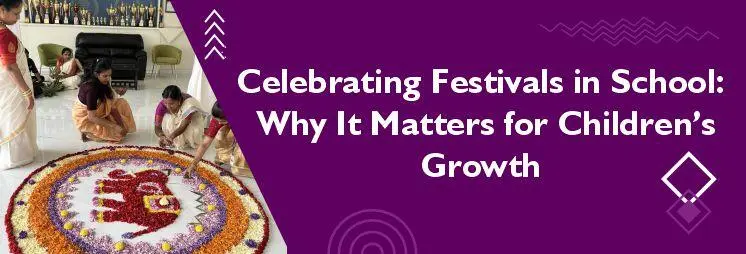
Celebrations in school spark joy and growth. Festivals are not merely rainbow hues, sweet eats, and cheerful melodies; they are colorful learning moments that make a child’s development journey richer. When schools celebrate festivals, they don’t merely put smiles on the faces of children – they also foster cultural consciousness, emotional intelligence, imagination, and social skills. Amidst today’s accelerated academic culture, where performance and grades tend to occupy center stage, festivals give children that all-important time to stop, mingle, and rejoice in the diversity of life. From Diwali diyas to Christmas carols, from Eid to Independence Day celebrations, every festival comes with its own tale, lessons, and values. Let us see why it is so important that children celebrate festivals at school and how it helps in joyful learning. 1. Festivals Create Joyful Learning Experiences Children naturally learn best when they are happy and engaged. Festivals transform classrooms and school grounds into lively spaces filled with colors, music, art, and laughter. These experiences: When students actively participate in festival celebrations, they not only enjoy themselves but also build memories that strengthen their emotional connection with school. Joyful experiences like these contribute to positive attitudes toward learning. If you’d like to see more examples of how non-academic activities contribute to development, explore How Extracurricular Activities Shape a Child’s Confidence. 2. Building Cultural Awareness and Respect In a multicultural world, schools are often melting pots of traditions. Celebrating different festivals exposes children to diverse cultures and helps them: For example, celebrating Christmas can teach children about kindness and sharing, while Diwali highlights the victory of good over evil. Independence Day reminds them of patriotism and unity, while Eid emphasizes empathy and togetherness. Through these celebrations, schools plant seeds of cultural tolerance and mutual respect—qualities essential in shaping responsible global citizens. 3. Strengthening Emotional Intelligence Celebrations in school spark joy and growth because they provide opportunities for emotional learning. Festivals naturally evoke feelings of happiness, gratitude, and belonging. Children experience: By engaging with these emotions in a safe environment, children learn to express themselves, recognize others’ feelings, and build stronger interpersonal relationships. Emotional intelligence, developed through such celebrations, plays a key role in lifelong success. Teachers can integrate these practices with Top Social-Emotional Learning Strategies for Teachers to ensure celebrations double as growth opportunities. 4. Encouraging Creativity and Imagination Festivals bring with them endless opportunities for children to explore their imagination. Whether it’s creating colorful rangoli patterns, performing a skit about freedom fighters, or painting Easter eggs, students get to express their originality. Schools that integrate festival celebrations into learning create platforms for children to: Such opportunities build self-expression and creative thinking – skills that extend far beyond festival season and into future problem-solving abilities. 5. Teaching Core Values Through Traditions Behind the fun and festivities, every celebration carries a deeper lesson. Schools can use festivals as meaningful teaching moments. For instance: When schools highlight these lessons, children internalize core values that shape their moral compass. Festivals thus serve as practical, real-life tools for character building. 6. Strengthening Social Bonds Celebrating festivals together helps children develop stronger friendships and a sense of community. Group activities like dancing, singing, decorating, or even sharing festive food create opportunities for collaboration. Such interactions: These bonds extend beyond the classroom, contributing to a supportive and inclusive school culture. 7. Enhancing Communication Skills Festival events often involve children speaking, performing, or presenting in front of others. From narrating the story of Dussehra to giving a speech on Independence Day, these moments: Such opportunities not only enhance language skills but also instill courage to voice opinions a vital quality in both academic and personal growth. 8. Festivals as Stress Relievers Amidst exams, homework, and academic competition, children can feel overwhelmed. Festival celebrations act as much-needed stress busters. Music, dance, games, and laughter bring relaxation and joy. When schools provide these breaks: Parents can also contribute by supporting children’s mental well-being. A good resource is Creating Stress-Free Learning Environments at Home, which complements the joy of celebrations in school. 9. Involving Parents and the Community Many schools invite parents and community members to participate in celebrations. This collaboration builds a strong school-home partnership. Parents feel more connected to their child’s learning environment, and children feel proud showcasing their talents in front of family. Additionally, community involvement fosters inclusivity, teaching children that festivals are occasions for unity and shared joy, not just individual traditions. 10. Creating Lasting Memories Festivals celebrated in school leave behind cherished memories that children carry throughout their lives. The laughter of a dance rehearsal, the excitement of wearing traditional costumes, or the joy of winning a group performance—all these moments create a sense of nostalgia and belonging. Such memories strengthen a child’s bond with school and build positive associations with learning spaces. In the long run, these experiences help children look back at their school years with pride and happiness. Practical Ways Schools Can Celebrate Festivals When celebrations are thoughtfully planned, they combine joy with meaningful learning outcomes. Conclusion: Celebrations in School Spark Joy and Growth Celebrating festivals in school is far more than a break from routine; it is a joyful, meaningful way of nurturing children’s growth. These celebrations foster cultural understanding, build emotional intelligence, encourage creativity, and strengthen social bonds. They transform schools into spaces of happiness, belonging, and lifelong learning. As educators and parents, it’s important to recognize that academics and festivals are not opposites – they complement each other beautifully. Together, they create well-rounded learners who are knowledgeable, empathetic, confident, and joyful. In the end, celebrations in school truly spark joy and growth—making childhood a vibrant, enriching journey.
Honoring the Guiding Lights of Education: Celebrating the Role of Teachers at Millennium World School
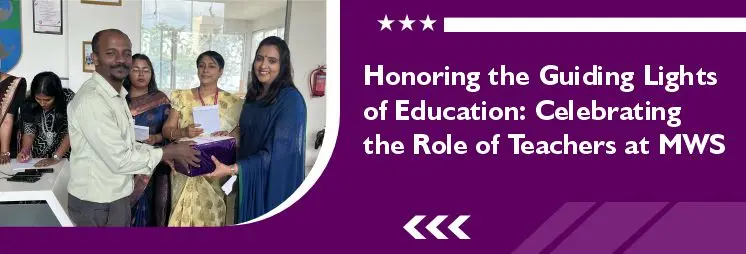
Education is not just the transfer of knowledge; it is the nurturing of curiosity, the shaping of character, and the building of a foundation upon which young minds can grow to their fullest potential. At the heart of this noble mission stand teachers—the guiding lights who dedicate their time, talent, and passion to ensure every child finds the path to their dreams. In the corridors of MWS (Millennium World School), this belief resonates deeply. Teachers here do more than teach; they inspire, innovate, and ignite the spark of lifelong learning. The Transformative Role of Teachers Teachers have always been regarded as nation-builders. They hold the power to shape not only young minds but also the values, attitudes, and aspirations of entire generations. Every lesson taught is more than a subject-specific explanation—it is an opportunity to instill discipline, confidence, and empathy. Teachers often serve as mentors, role models, and motivators, influencing students in ways that go far beyond textbooks. A good teacher equips students with knowledge, but a great teacher inspires them to question, explore, and learn independently. This distinction is what sets MWS teachers apart. At MWS, the focus is not simply on preparing students for exams but on preparing them for life. This holistic vision comes alive in every classroom, every activity, and every interaction between teacher and student. Teachers at MWS: More than Educators At MWS, teachers are nurturers, guides, and facilitators. They believe in educating the heart as much as the mind. This philosophy shapes every aspect of the teaching process—from lesson planning to co-curricular activities, from classroom discussions to one-on-one mentorship. The teachers at MWS are committed to identifying the unique strengths of each student. No two learners are the same, and MWS teachers embrace this diversity. By personalizing teaching approaches, they ensure that every child feels valued and supported. Whether a student is academically gifted, artistically inclined, or athletically talented, teachers provide the encouragement and opportunities needed for growth. Equally important is their role as emotional anchors. In today’s fast-paced and sometimes overwhelming world, students need more than academic guidance—they need reassurance, empathy, and encouragement. MWS teachers understand this and foster an environment where students feel safe to express themselves, take risks, and learn from failures. Unique Teaching Practices at MWS What truly makes MWS stand out is the innovative teaching practices that redefine the learning experience. Here are some of the ways MWS teachers inspire and empower their students: 1. Student-Centered Learning Rather than following a one-size-fits-all approach, MWS teachers create learning experiences tailored to individual needs. Lessons are interactive, encouraging students to participate actively rather than passively receive information. This not only strengthens understanding but also builds critical thinking and problem-solving skills. 2. Integration of Technology in Education MWS embraces technology as a powerful tool to make learning more dynamic. From smart classrooms to digital resources, teachers skillfully integrate modern tools to make concepts clearer and more engaging. Technology also helps bridge gaps, offering additional support to students who need it and advanced resources to those ready for more challenges. 3. Experiential and Hands-On Learning Learning is not confined to the four walls of a classroom at MWS. Teachers incorporate projects, experiments, field trips, and real-world applications to deepen understanding. For instance, science is not just memorizing formulas—it is conducting experiments, observing patterns, and relating discoveries to everyday life. 4. Focus on Values and Life Skills Academics alone do not prepare students for the challenges of life. MWS teachers emphasize values such as integrity, kindness, and teamwork. Through activities, discussions, and role-modeling, they ensure students grow into responsible citizens with a strong moral compass. 5. Collaborative Teaching Environment Teachers at MWS work as a team, supporting one another and sharing best practices. This spirit of collaboration ensures continuous professional growth and enriches the overall learning experience for students. 6. Encouraging Creativity and Innovation From art and music to coding and robotics, MWS teachers encourage students to explore their creative potential. By blending academics with creativity, they cultivate balanced individuals who are not afraid to think outside the box. Beyond the Classroom: Teachers as Mentors One of the most remarkable aspects of MWS teachers is their dedication beyond the curriculum. They take the time to mentor students, listen to their concerns, and guide them through challenges both academic and personal. This mentoring relationship builds trust and strengthens the bond between students and teachers. In fact, many MWS alumni fondly recall how a teacher’s words of encouragement or guidance became a turning point in their lives. This lasting impact is a testament to the deep connections MWS teachers foster with their students. Stories of Inspiration from MWS Classrooms Every classroom at MWS tells a story—stories of discovery, resilience, and achievement. A science teacher sparking curiosity through simple experiments that lead to big questions. An English teacher igniting the love for literature by encouraging students to write their own stories. A sports coach instilling discipline and perseverance, teaching lessons that go far beyond the playground. These daily moments may seem small, but they add up to transformative experiences that shape the future of each child. Celebrating Teachers: Our Guiding Lights Teachers are often unsung heroes, quietly working behind the scenes to ensure every child shines. Honoring them means recognizing their tireless efforts, their creativity, their patience, and their unwavering belief in every student’s potential. At MWS, teachers are celebrated not only for the subjects they teach but for the lives they touch and transform. As we reflect on the invaluable role of teachers, we realize that their influence goes far beyond a single academic year. The seeds they plant in young minds continue to grow, shaping careers, character, and communities. Their role is truly that of guiding lights—illuminating the path toward knowledge, wisdom, and a brighter tomorrow. Conclusion Education is a journey, and teachers are the compass that guides students through it. At MWS, this compass is unwavering, precise, and compassionate. The teachers here are more than professionals—they are mentors, innovators, and inspirations who dedicate
How Extracurricular Activities Shape a Child’s Confidence: The Holistic Approach at Millennium World School
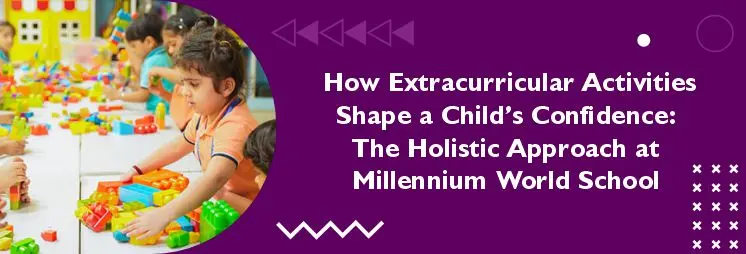
Introduction: Building Confident Learners Beyond the Classroom In today’s fast-paced and competitive world, academic success alone does not guarantee a child’s overall development. True education extends beyond textbooks and exams. It is about nurturing well-rounded individuals who are confident, expressive, and socially responsible. One of the most effective ways to achieve this is through extracurricular activities – a crucial part of the holistic education philosophy followed at Millennium World School (MWS). From arts and music to drama and sports, MWS encourages every learner to discover and develop their unique talents. These experiences help students gain self-confidence, teamwork skills, creativity, and emotional resilience qualities that shape them into future-ready global citizens. In this blog, let’s explore how extracurricular activities shape a child’s confidence and how the holistic learning environment at MWS empowers students to shine on and off the stage. The Link between Extracurricular Activities and Confidence Confidence is not an innate trait; it is developed over time through positive experiences, supportive guidance, and the opportunity to try new things. Extracurricular activities offer precisely this. Here’s how they build a strong foundation of self-confidence in children: At Millennium World School, these benefits are integrated into daily learning through a well-designed extracurricular framework. The Holistic Approach at MWS: Where Every Talent Matters Millennium World School stands out for its commitment to holistic education, ensuring that every student’s intellectual, physical, emotional, and creative abilities are nurtured. Instead of treating extracurriculars as optional, MWS treats them as essential building blocks of student growth. This approach aligns with the belief that true confidence comes from all-round development. Whether a child is artistically inclined, athletically gifted, or curious about performing arts, MWS offers opportunities and expert guidance to help them flourish. Let’s take a closer look at the key domains where MWS shapes confident, capable learners. Nurturing Creativity through Arts Art is more than just painting or drawing – it is a powerful tool of self-expression. At MWS, visual arts programs encourage students to communicate their emotions, ideas, and perspectives creatively. How arts build confidence at MWS: By making art a joyful and integral part of the school day, MWS helps students feel valued for their individuality an essential step toward lasting self-confidence. Building Team Spirit and Resilience through Sports Our dedicated sports training at MWS, Sports are one of the most impactful ways to shape confidence and discipline in children. MWS offers a wide range of sports from team games like football, cricket, and basketball to individual pursuits like athletics, swimming, and yoga. How sports boost confidence at MWS: With professional coaches, state-of-the-art facilities, and a strong emphasis on sportsmanship, MWS ensures students grow into confident individuals who value effort as much as outcomes. Developing Emotional Intelligence through Music Music teaches patience, focus, and emotional expression. Through our vibrant music education at MWS, students learn to collaborate in choirs and bands, enhancing their social skills and sense of belonging. Performing on stage in front of an audience builds courage, while mastering an instrument fosters a deep sense of achievement. How music shapes confidence at MWS: Through music, MWS instills a quiet, inner confidence that empowers children to express themselves authentically. Cultivating Self-Belief through Drama and Performing Arts Drama and performing arts have a transformative impact on a child’s personality. At MWS, students are encouraged to explore theatre, public speaking, declamation, mime, and dance from an early age. How drama boosts confidence at MWS: Annual cultural fests, stage productions, and drama clubs ensure every student gets a chance to shine in the spotlight. The MWS Environment: A Safe Space to Explore and Grow One of the strongest reasons extracurricular succeed at Millennium World School is its supportive learning environment. Confidence blooms only when children feel safe to explore, make mistakes, and try again without judgment. At MWS: This nurturing atmosphere ensures students are not afraid of failure because they know every attempt is valued as part of the learning journey. Long-Term Impact: Confident, Well-Rounded Future Leaders The benefits of this holistic approach extend well beyond school. Students who actively participate in extracurricular activities at MWS often develop: In essence, extracurriculars don’t just create performers or athletes they build resilient, confident human beings. Conclusion: Confidence That Lasts a Lifetime At Millennium World School, extracurricular activities are not just add-ons they are at the heart of student development. By giving children the opportunity to explore arts, sports, music, and drama in a safe and encouraging environment, MWS helps them build the confidence to embrace challenges, lead with empathy, and express their true selves. When children are empowered to discover their strengths beyond the classroom, they don’t just succeed in school—they thrive in life. And that is the true purpose of education.
Importance of Sports in Students Life and Its Impact on Personal Growth

In the fast-paced academic environment of today, students are constantly under pressure to excel in studies and exams. But while academics are crucial, sports are no less important in a student’s life. Sports provide more than physical exercise—they build character, instill life skills, and foster overall development. From the playground to individual success, sports have a strong influence on shaping the future of students. Let’s discover how and why sports are so crucial for students and how they contribute positively to personal development. Develops Physical Fitness and Good Health Perhaps the most self-evident advantage of sports is physical fitness. When pupils engage in sports on a regular basis, their physique gets stronger and more agile. Jogging, jumping, stretching, and playing games strengthen muscles, keep the heart healthy, increase flexibility, and develop endurance. This keeps the students fit and diminishes the risk of obesity, diabetes, and other diseases related to lifestyle. Sports also make children active, particularly in the current era of computers and television, where children spend hours in front of the screen. A physical activity habit at an early age results in a healthier life in the long term. Increases Mental Strength and Decreases Stress Sports are not only physically healthy but also mentally healthy. Physical exercise releases happy chemicals, or endorphins, which lower tension and elevate mood. It is particularly beneficial for students who have exam pressure, assignments, or other personal issues. Builds Discipline and Time Management Sports instill discipline and order in students. In order to excel in sport, they must obey rules, report for regular practice, and work hard consistently. Such behavior carries over to other aspects of life, such as studies. Also, juggling study and sport requires good time management skills. Students learn to prioritize, schedule, and remain dedicated to their aims. This discipline makes them more responsible in every aspect of their lives. Promotes Teamwork and Social Interaction All sports require teamwork. Students learn to communicate, cooperate with one another, and work together to achieve a common objective. This strengthens good social skills and teaches them how to be good team players. Playing in a team also enhances cooperation, listening, and empathy. It makes students more flexible and enables them to develop healthy friendships. These skills are essential for both school and professional success. Builds Self-Confidence and Positive Self-Esteem Student athletes take pride in their undertaking when they play sports and perform well. Scoring, winning, or even improving one’s own performance boosts their self-confidence and esteem. Even on loss, failure with a positive attitude trains them to cope with it. Positive reinforcement by coaches, teachers, and players makes them appreciate themselves and others, thereby creating a sense of self-worth. Develops Leadership and Decision-Making Skills There are several sports that offer room for leadership—either as team captain or rising to the occasion in the game. This assists students in developing leadership and decision-making skills. While playing fast-paced games, students must be quick in mind and clever in action. This gives them the confidence to take charge, make decisions, and lead others—all positive life skills. Develops Sense of Responsibility and Sportsmanship Sports teach students to play honestly, respect rules, and be respectful towards others—win or lose. They learn that effort is more valuable than victory. This creates a strong base of honesty, fairness, and responsibility. Through wins and losses, students acquire humility and humility. They learn to accept victory without arrogance and defeat without shame. Provides Career Opportunities and Scholarships For those who love sports, it even leads to professional careers in athletics, coaching, physical education, or sports journalism. Most colleges and universities provide sports scholarships to gifted athletes to enable them to study further while pursuing their interest. Even if students do not pursue sports as a career, the discipline and skills acquired through it make them competitive in whatever career they opt for. Adds to Overall Personality Development Sports make students well-rounded personalities. They are more confident, emotionally resilient, socially engaged, and physically conditioned. These make them successful in school as well as in life. Playing sports also provides a respite from studies, cleanses their minds, and keeps them motivated. It brings fun, excitement, and meaning to their lives. Conclusion Sports are not just games—they are life lessons in action. They help students grow physically, mentally, and emotionally by building confidence, discipline, leadership, and teamwork. When students are encouraged to play and stay active, they not only enjoy better health but also develop the skills and mindset needed for success in every area of life. Investing time in sports is truly an investment in a brighter, more balanced future. “Encourage students to play, move, and grow—because every game shapes a brighter future.”
Why Summer Break is Vital for Student Success: Helping Students Recharge and Learn

Have you ever been totally exhausted at the end of the school year? Like no matter how much effort you put in, it’s almost impossible to concentrate in class? You’re not alone! That’s why summer break is such a big deal. It’s not about taking time off; it’s about refueling, discovering new interests, and returning stronger than ever. Let’s explore why summer break is a game-changer for student achievement. The Strength of Rest and Relaxation Imagine running a marathon without taking any time off. That’s what school is like sometimes! Summer break allows students to press the pause button and recharge from the pressure of tests, homework, and strict routines. Lacking sufficient rest, burnout sets in, which makes it more difficult to focus and get motivated. Moreover, sleeping habits tend to get disrupted during school. Summer enables students to get enough rest and sleep, thus enhancing both mental and physical well-being. Quick Tip: Try establishing a relaxing bedtime routine over summer so good sleeping habits can be achieved all year long! Learning Beyond the Classroom Who says learning has to stop just because school’s out? Summer is the perfect time to explore new interests in a fun and pressure-free way! Question for You: What’s one thing you’ve always wanted to learn but never had time for? Developing Social and Emotional Skills Summer vacation is not all about free days from school; it’s also an opportunity to develop strong bonds with family and friends. Playing together, sharing a meal, or simply spending quality time together makes relationships stronger and emotional well-being better. To most students, summer camps, volunteerism, or working part-time provide practical life skills like collaboration, critical thinking, and leadership. Such experiential learning is equally as vital as classroom learning in producing a successful life! Boosting Physical Health and Well-being Preventing Summer Learning Loss (Without Boring Study Sessions!) A few students suffer from the dreaded “summer slide” as they forget their school year knowledge. Fear not—you can maintain your brain acuity without getting the feeling of being back in class! Use these cool learning activities: Conclusion: Make the Most of Summer! Summer break is not only time away from school—it’s an opportunity to rejuvenate, learn, and make memories that will last a lifetime. Whether you’re discovering a new interest, forming solid bonds, or just recharging, make the most of the season. Make every moment enjoyable and come back to school eager to succeed! “Embrace the summer break to recharge, explore, and return to school ready to achieve greatness!”