


Teaching Kindness and Respect in Everyday School Life
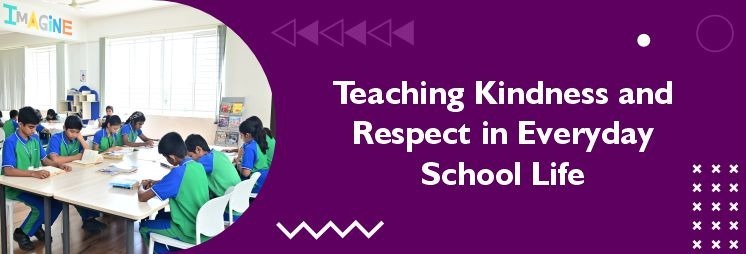
How Daily Interactions, Group Work & Value-Based Activities Nurture Compassionate Students In today’s educational environment, academic achievement is only one part of what defines school success. Building social and emotional skills like kindness and respect is equally important. Schools that intentionally teach and reinforce these values help students grow into compassionate, confident, and community-minded individuals. In this blog, we’ll explore practical ways schools can embed kindness and respect into daily interactions, group work, and value-based activities, turning everyday school life into a powerful platform for character development. Why Kindness and Respect Matter in School Life Every school community thrives when students feel safe, valued, and understood. The development of kindness and respect positively influences: Teaching these values is not limited to one classroom lesson or a “feel-good” poster. Instead, it becomes most effective when incorporated into everyday experiences throughout the school day. 1. Daily Interactions: The Everyday Opportunities to Teach Respect Kindness and respect are most impactful when students experience them naturally through the way teachers and students interact daily. a. Greeting Rituals and Morning Meetings Start the day with intentional greetings and short check-ins. Whether it’s a morning circle or passing greetings in the hallway, these small actions help students feel seen and to practice courteous behaviour. Example Strategy: “Good morning, eye contact, and handshake/high-five” routines help build confidence and respect. b. Modelling Respectful Language Teachers and staff set the tone. When adults consistently use respectful language saying “please,” “thank you,” and corrective but gentle feedback students learn by example. Key Focus: c. Encouraging Empathy during Everyday Issues When conflicts arise as they naturally do use those moments as learning opportunities. Try This: These daily interactions become mini-lessons in emotional intelligence, helping students learn to respect differences and act kindly toward others. 2. Group Work: Collaboration that Builds Compassion Group work is not only about completing a project it’s a chance for students to practice respect and kindness in a team setting. a. Clear Roles and Shared Responsibility When students have assigned roles (leader, recorder, presenter, time-keeper), they learn to respect each other’s contributions and rely on teamwork. Benefits Include: b. Reflective Collaboration After group tasks, take time for reflection. Reflection Prompts: Reflection helps students recognize the emotional and interpersonal aspects of teamwork, making respect and kindness more tangible. c. Celebrate Diversity within Groups Group work naturally brings together students with different strengths and perspectives. Celebrate these differences instead of ignoring them. Encourage statements like: Positive affirmation strengthens students’ sense of community and understanding. 3. Value-Based Activities: Intentional Lessons that Instill Compassion While everyday interactions help, structured activities can deepen understanding and encourage intentional kindness. a. Character Education Programs Incorporate lessons that focus on values like empathy, respect, responsibility, and gratitude. These can be weekly or bi-monthly themes with corresponding activities and discussions. Examples: b. Service-Learning Projects Connecting students with service opportunities even small ones reinforces compassionate action. Ideas for Schools: Service-learning helps students connect empathy with real change. c. Storytelling and Role Play Use literature and drama to explore how characters show respect, face challenges, or demonstrate kindness. Classroom Tips: Stories make abstract values relatable and memorable. 4. Creating a School Culture That Reinforces Positive Values To truly cultivate kindness and respect, schools must support a culture that consistently reinforces these values. a. Recognition and Praise Publicly celebrate acts of kindness and respectful behaviour. This does not mean only big gestures small consistent actions count! Recognition Ideas: b. Parent and Community Involvement Building kindness doesn’t stop at the school gate. Partner with parents and caregivers to reinforce these values at home. Strategies: c. Continuous Staff Development Teachers and staff benefit from ongoing professional development on social-emotional learning (SEL), positive communication strategies, and conflict resolution. 5. Measuring Success: How to Know It’s Working Teachers play a vital role in making activity-based learning effective. At MWS, educators act as fParents It’s important to assess how well kindness and respect are taking root: Positive changes are often gradual, but with consistency, schools will notice a stronger community and healthier student relationships. Conclusion: Everyday Actions Make a Big Difference Teaching kindness and respect in everyday school life transforms not just individual students but the entire learning environment. When schools prioritize daily respectful interactions, collaborative group work, and intentional value-based activities, they nurture compassionate leaders, empathetic citizens, and resilient learners. Let’s take these ideas into action starting today because every respectful word, every kind interaction, and every thoughtful activity builds a more compassionate school community.
Preparing Students for Year-End Exams with Confidence, Not Fear
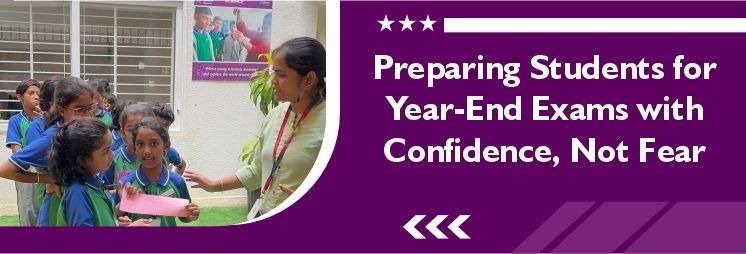
As the academic year comes to a close, students across schools begin preparing for their year-end examinations. While exams are an essential part of academic evaluation, they should not become a source of fear or anxiety. At MWS, we believe in preparing students for year-end exams with confidence, clarity, and calmness not pressure. Exams should reflect learning, growth, and understanding. Through structured revision plans, confidence-building classroom strategies, and mindful preparation techniques, teachers at MWS ensure that students approach their exams feeling capable and positive. Why Confidence Matters More than Fear Fear-based preparation may lead to short-term memorization, but it rarely builds deep understanding. When students are anxious, their ability to recall information and think critically can be affected. On the other hand, confidence enhances performance. At MWS, our approach to year-end exam preparation strategies focuses on: This balanced method ensures that students perform to the best of their abilities while maintaining emotional well-being. Structured Revision Plans That Reduce Stress One of the most effective ways to build exam confidence in students is through early and structured revision planning. 1. Timely Revision Schedules Teachers at MWS begin revision well before exams. Instead of cramming, students revise in smaller, manageable portions. Subjects are divided into weekly goals, allowing students to revisit important topics multiple times. This strategy: A well-planned schedule transforms exam preparation into a predictable and manageable process. 2. Concept-Based Reinforcement Rather than focusing only on textbook questions, teachers emphasize understanding core concepts. Through discussions, practice worksheets, and interactive revision sessions, students strengthen their foundation. This approach aligns with our philosophy of holistic academic growth, as seen in our programs that balance academics with co-curricular excellence. Practice Makes Confidence Permanent Regular practice builds familiarity, and familiarity reduces fear. 3. Mock Tests and Practice Papers At MWS, students are given structured mock tests that simulate real exam conditions. This helps them: Teachers provide constructive feedback, guiding students on how to improve rather than highlighting mistakes negatively. This supportive environment plays a major role in stress-free exam preparation. 4. Error Analysis Sessions After practice tests, teachers conduct review sessions where students understand their errors and learn corrective strategies. This reflection-based approach builds responsibility and self-awareness. Instead of fearing mistakes, students learn to see them as stepping stones toward improvement. Building Strong Revision Habits Confidence does not come overnight; it is built through consistent habits. 5. Daily Recap Method Teachers encourage students to revise what they learned each day. A quick 10–15 minute recap reinforces memory and prevents information overload before exams. 6. Mind Maps and Visual Learning Visual revision tools like mind maps, flowcharts, and summary notes help students retain information better. These techniques are especially useful for subjects that require conceptual linking. Such effective revision habits for students make studying smarter, not harder. Creating a Calm Exam Mindset Academic preparation alone is not enough. Emotional readiness plays an equally important role. 7. Positive Reinforcement Teachers consistently motivate students through encouraging words and realistic goal-setting. Instead of comparing students, focus remains on individual progress. When students feel supported, their self-belief increases naturally. 8. Mindfulness and Relaxation Techniques Short breathing exercises before mock tests or revision sessions help students relax. Simple techniques like: help create a calm exam mindset. At MWS, emotional well-being is considered an essential part of academic excellence, aligning with our broader student development initiatives Encouraging Parental Support without Pressure Teachers play a vital role in making activity-based learning effective. At MWS, educators act as fParents play a significant role during exams. Teachers guide parents on: When school and home work together, students feel secure rather than pressured. This collaborative approach strengthens overall student confidence building activities and ensures exam success becomes a shared goal. Balanced Routine: Study, Rest, and Recreation Activity-based learning doesn’t just improve academic performance—it supports holistic development. SA common mistake during exams is eliminating breaks. At MWS, students are reminded that productivity improves with balance. Our belief in balanced development combining academics, sports, and creative expression ensures that even during exam season, students maintain emotional stability. Teacher Mentorship: The Core of Exam Success Behind every confident student is a supportive mentor. Teachers at MWS: This mentorship approach ensures that students never feel alone in their exam journey. Transforming Exams into Opportunities When approached correctly, exams become opportunities to: Our goal is not just academic performance but character development. Students learn that success comes from preparation, consistency, and a positive mindset. By focusing on structured revision, emotional readiness, and supportive mentorship, MWS successfully prepares students for year-end exams with confidence not fear. Conclusion Preparing students for year-end exams with confidence is about more than completing the syllabus. It requires thoughtful planning, emotional support, smart revision techniques, and positive reinforcement. At MWS, we believe exams should empower students, not intimidate them. Through structured revision schedules, mock practice, mindfulness techniques, and teacher mentorship, students develop the confidence to approach exams calmly and perform at their best. When fear is replaced with preparation and pressure is replaced with support, exam success becomes a natural outcome.
How Activity-Based Learning Keeps Students Engaged After Holidays
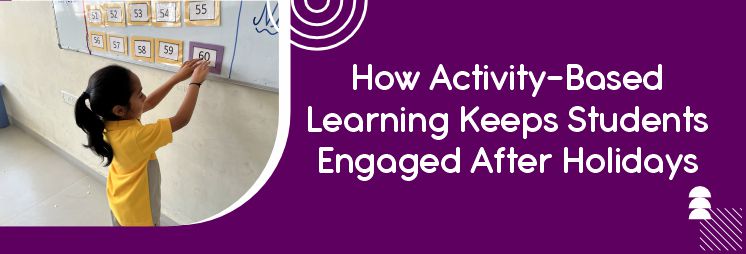
The winter holidays bring joy, relaxation, and family time for children but returning to school after a long break can be challenging. Students often struggle with reduced focus, low motivation, and difficulty adjusting back to structured routines. This is where Activity-Based Learning (ABL) plays a powerful role. By making learning interactive, hands-on, and student-centered, schools can help children transition smoothly from holiday mode to classroom learning. At Mount Westmann School (MWS), activity-based learning is an essential part of the teaching approach, especially after breaks. Through interactive lessons, creative projects, group discussions, and experiential activities, students reconnect with learning in a way that feels engaging rather than overwhelming. Why Students Feel Disengaged After Winter Break After holidays, many students experience what educators call the “post-break slump.” This happens due to: Traditional lecture-based teaching can make this transition even harder. Students need learning experiences that spark curiosity, encourage participation, and rebuild classroom momentum—and that’s exactly what activity-based learning offers. What Is Activity-Based Learning? One of the most impactful sports offered at Millennium World School is Taekwondo. More than a martial aActivity-Based Learning is an educational approach where students actively participate in the learning process rather than passively listening. It includes: This method shifts the focus from memorization to understanding, collaboration, and application, making learning more meaningful and enjoyable. How Activity-Based Learning Helps Students Transition After Holidays 1. Reignites Interest in Learning Interactive lessons immediately capture students’ attention. Activities like storytelling, quizzes, brainstorming sessions, and learning games help students reconnect with academic content without pressure. This gradual re-entry into learning reduces stress and increases enthusiasm. By incorporating experiential learning, teachers help students associate school with excitement rather than routine. 2. Encourages Active Participation After a break, students may feel hesitant or withdrawn. Group activities and classroom discussions create a safe space for expression. When students share ideas, ask questions, and work together, they naturally become more engaged. This approach also supports confidence building, as every child gets an opportunity to contribute, regardless of academic level. 3. Strengthens Social Connections Holidays can create a gap in peer interaction. Collaborative projects and team-based activities help students reconnect with classmates, rebuild friendships, and strengthen communication skills. Activities such as group problem-solving or creative assignments promote teamwork and cooperation, essential for a positive classroom environment. 4. Makes Learning Feel Less Rigid Instead of diving straight into textbooks, activity-based lessons ease students back into academics. For example: This flexible approach reduces resistance and helps students adapt naturally to school routines. 5. Improves Focus and Retention Hands-on learning engages multiple senses, which improves concentration and memory. Students are more likely to remember concepts they’ve experienced rather than just heard or read. By using interactive teaching methods, teachers ensure better understanding and long-term retention of concepts, especially after a learning gap. Role of Projects in Post-Holiday Learning Project-based learning is a powerful extension of activity-based education. After winter break, projects help students: For example, students may work on themes like “My Holiday Experiences,” “Winter Season Science,” or “Community and Culture.” Such projects bridge personal experiences with academic learning, making the transition smoother. Importance of Classroom Discussions Open classroom discussions allow students to express thoughts, reflect on experiences, and share perspectives. Post-holiday discussions help teachers understand students’ emotional and academic readiness. Discussions also improve: This interactive learning environment fosters student engagement and mutual respect. Teacher’s Role in Activity-Based Learning Teachers play a vital role in making activity-based learning effective. At MWS, educators act as facilitators rather than instructors, guiding students through activities with encouragement and structure. Key teacher strategies include: This approach ensures learning remains purposeful while enjoyable. Benefits Beyond Academics Activity-based learning doesn’t just improve academic performance—it supports holistic development. Students develop: These skills are especially important after holidays, when students are adjusting emotionally as well as academically. How Schools Can Implement Activity-Based Learning Effectively To maximize impact after holidays, schools should: When implemented thoughtfully, activity-based learning sets a positive tone for the rest of the academic term. Conclusion Returning to school after winter break doesn’t have to be stressful or dull. Activity-Based Learning transforms the post-holiday transition into an engaging, motivating, and meaningful experience. Through interactive lessons, hands-on projects, and thoughtful classroom discussions, students regain focus, confidence, and enthusiasm for learning. At Millennium World School (MWS), this approach ensures that every child feels supported, inspired, and ready to grow—academically, socially, and emotionally right from the first day back.
The Power of Play: How Sports Shape Character and Confidence
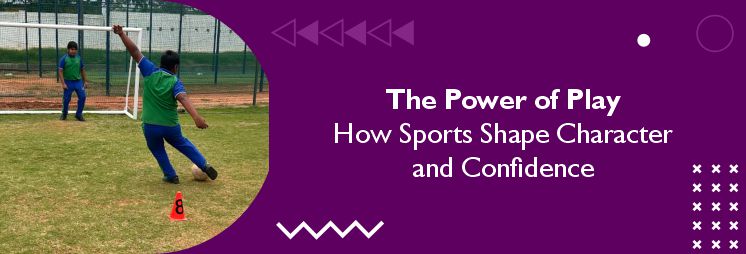
In today’s fast-paced academic environment, education goes far beyond textbooks and classrooms. At Millennium World School (MWS), Bengaluru North, equal importance is given to physical education and sports, recognizing their powerful role in shaping a child’s character, confidence, and life skills. Sports like Taekwondo, football, athletics, and team games are not just extracurricular activities at MWS they are integral to holistic development. Play is where children learn some of life’s most important lessons: discipline, teamwork, resilience, leadership, and self-belief. Through structured sports programs, MWS ensures that students grow into confident, well-rounded individuals prepared for real-world challenges. Why Sports Are Essential in a Child’s Development Sports play a crucial role in a child’s physical, mental, and emotional growth. Regular participation in sports improves fitness, concentration, and emotional balance while teaching children how to handle both success and failure. At MWS, sports are carefully integrated into the school curriculum to support the school’s philosophy of holistic learning. Children learn that effort matters more than outcome, and persistence leads to progress Taekwondo: Building Discipline, Focus, and Self-Confidence One of the most impactful sports offered at Millennium World School is Taekwondo. More than a martial art, Taekwondo instills discipline, self-control, respect, and mental focus in students. Through regular practice: Taekwondo also helps children build self-defence skills, empowering them with a sense of safety and self-assurance. These qualities extend beyond the training mat into academics and daily life, supporting better classroom behaviour and focus (internal link suggestion: Student Life at MWS). Football: Teaching Teamwork and Leadership Football is one of the most popular team sports at MWS, and for good reason. It teaches students the value of teamwork, communication, and leadership skills essential for success in any field. On the football field, students learn: Football also encourages strategic thinking and quick decision-making. Win or lose, students learn to support one another and stay motivated, reinforcing emotional resilience and sportsmanship. Other Sports That Shape Strong Personalities In addition to Taekwondo and football, MWS offers a variety of sports and physical activities, including athletics, indoor games, and fitness sessions. Each activity contributes uniquely to a child’s development: These experiences help children discover their strengths and interests while staying physically active and mentally refreshed. Sports and Emotional Resilience: Learning to Handle Wins and Losses One of the most valuable lessons sports teach is how to deal with setbacks. Not every match is won, and not every performance is perfect. At Millennium World School, teachers and coaches guide students to see failures as learning opportunities rather than disappointments. This approach helps children: Such resilience plays a vital role in academic life as well, enabling students to face exams, challenges, and competitions with confidence (internal link suggestion: Building Student Confidence at MWS). Role of Teachers and Coaches in Sports Education At MWS, trained coaches and dedicated teachers mentor students throughout their sports journey. They focus not only on physical skills but also on character development. Encouragement, guidance, and positive reinforcement ensure that every child feels motivated, valued, and included. Teachers also help students balance academics and sports, reinforcing time management and responsibility key life skills that prepare students for future success. Sports as a Foundation for Lifelong Healthy Habits Introducing sports at an early age encourages children to adopt a healthy and active lifestyle. Regular physical activity improves overall well-being, reduces stress, and enhances academic performance. Millennium World School believes that nurturing a love for sports helps students carry these healthy habits into adulthood, supporting long-term physical and mental wellness. How MWS Creates a Balanced Learning Environment By integrating sports with academics, MWS creates a learning environment where children thrive both intellectually and physically. Sports sessions complement classroom learning by refreshing the mind, improving focus, and boosting self-esteem. This balanced approach aligns with the school’s mission to develop confident, disciplined, and socially responsible individuals ready to face the future with courage. Conclusion: The True Power of Play The power of play lies in its ability to transform children into confident, capable individuals. Through Taekwondo, football, and a wide range of sports, Millennium World School – Bengaluru North nurtures discipline, teamwork, resilience, and self-confidence in every student. At MWS, sports are not just about winning medals they are about building character, shaping values, and empowering students to believe in themselves. When children play, they don’t just grow stronger they grow better.
New Year, New Beginnings: How Schools Help Children Set Positive Goals
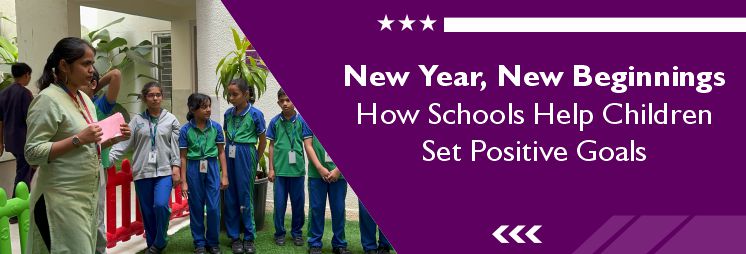
A new year represents a fresh start a chance to reflect, reset, and grow. For children, this time is especially meaningful as it offers an opportunity to develop new habits, set achievable goals, and approach learning with renewed enthusiasm. Schools play a vital role in shaping this journey by guiding students toward goal-setting, self-discipline, confidence, and motivation that last far beyond January. At Millennium World School – Bengaluru North, the beginning of a new year is more than a calendar change; it is a carefully guided transition that empowers students to believe in themselves and strive for continuous improvement. Why Goal-Setting Matters for Children Goal-setting helps children understand direction and purpose. When students learn to set realistic and meaningful goals, they develop: Unlike adults, children need structured guidance to translate dreams into achievable steps. Schools create a supportive environment where goals are broken into manageable actions, making success feel attainable rather than overwhelming. The Role of Teachers in Guiding Student Goals Teachers act as mentors who help students recognize their strengths, interests, and areas for growth. At the start of a new year, educators engage students in reflective conversations such as: Through classroom discussions, one-on-one interactions, and collaborative activities, teachers help students frame goals that focus not only on academic success but also on behavior, emotional growth, and social skills. This personalized guidance strengthens the teacher–student bond, which is essential for trust and motivation (internally link to: Teacher–Student Bonds: The Heart of Holistic Learning). Building Self-Discipline Through Daily School Routines Self-discipline is the backbone of long-term success. Schools nurture this quality by embedding structure into everyday routines. Morning assemblies, classroom schedules, homework planning, and group activities teach students the importance of consistency and responsibility. When children follow routines, they learn: These habits gradually become internal values, helping students manage distractions and stay committed to their goals. Structured school routines also set the tone for productive learning. Encouraging Confidence Through Small Wins Confidence grows when children experience success no matter how small. Schools encourage students to set short-term, achievable goals so they can celebrate progress regularly. For example: Recognizing these achievements reinforces the belief that effort leads to improvement. This approach aligns with the philosophy that celebrating small achievements builds self-confidence and motivation Motivation Through a Positive Learning Environment A positive school environment plays a crucial role in sustaining motivation. When students feel safe, respected, and encouraged, they are more willing to take risks and try new things. Teachers motivate students by: At Millennium World School, holistic education ensures that motivation comes from within not just from grades or rewards, but from a genuine love for learning. Aligning Academic and Personal Goals Effective schools understand that student success goes beyond academics. Alongside academic targets, children are encouraged to set personal goals such as: This balanced approach helps students grow emotionally and socially while staying academically focused. Such alignment ensures well-rounded development and prepares children for real-world challenges. Parental Involvement in Goal-Setting Schools and parents work best as partners. Teachers guide parents on how to reinforce goal-setting at home by: When parents align with school initiatives, children receive consistent messages that strengthen discipline, confidence, and motivation throughout the year. Preparing Students for Lifelong Success Learning how to set goals early in life equips children with skills they will carry into adulthood. They become resilient learners who can adapt, reflect, and grow—qualities essential for future academic and professional success. By guiding students at the start of a new year, schools lay a foundation for: Conclusion: A Fresh Start with Purpose A new year offers children the chance to begin again with hope, clarity, and confidence. Schools play a transformative role in helping students set positive goals, develop self-discipline, and stay motivated throughout their journey. At Millennium World School – Bengaluru North, each new beginning is nurtured with thoughtful guidance, structured routines, and a commitment to holistic development. By empowering students to believe in themselves and take ownership of their goals, schools turn new year resolutions into lifelong achievements.
Teacher–Student Bonds: The Heart of Holistic Learning
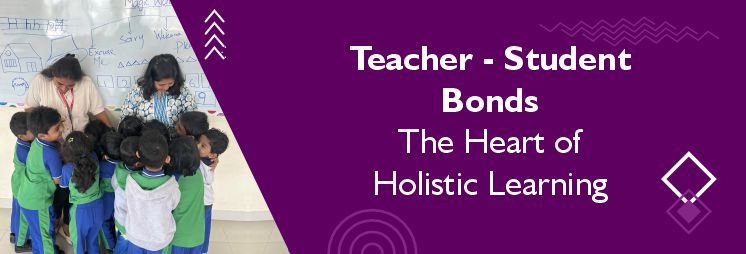
In every child’s educational journey, there is one constant that shapes learning far beyond textbooks and examinations the relationship between teachers and students. While curriculum, infrastructure, and technology play important roles, it is the emotional connection between a teacher and a learner that truly nurtures holistic development. Strong teacher–student bonds create an environment of trust, motivation, and emotional growth, allowing children to thrive academically and personally. At Millennium World School – Bengaluru North, education is built on the belief that meaningful relationships are the foundation of lifelong learning. When children feel seen, heard, and valued by their teachers, learning becomes a joyful and empowering experience rather than a routine task. Why Teacher–Student Relationships Matter More Than Ever In today’s fast-paced world, children face academic pressure, social expectations, and emotional challenges at an early age. Schools are no longer just places to acquire knowledge; they are spaces where emotional intelligence, confidence, and resilience are developed. A positive teacher student relationship provides children with a sense of safety and belonging. When students trust their teachers, they are more willing to ask questions, express doubts, and take intellectual risks. This trust becomes the cornerstone of effective learning, encouraging curiosity and independent thinking. Research consistently shows that students who feel connected to their teachers demonstrate higher engagement, better academic performance, and improved emotional well-being. At a school like Millennium World School, where child-centric learning is a priority, teacher–student bonds are nurtured intentionally through empathy, communication, and personalized attention. Trust: The Foundation of Confident Learning Trust is the first step toward holistic education. When a child trusts a teacher, the classroom transforms into a safe space for exploration and growth. Children are more likely to participate actively, share ideas freely, and embrace challenges without fear of failure. Teachers who listen patiently, acknowledge effort, and provide constructive feedback help students build confidence in their abilities. This approach aligns closely with the values reflected in the school’s teaching philosophy, which emphasizes understanding each child’s unique learning style and emotional needs. At Millennium World School, educators focus on building meaningful connections with students, ensuring that learning is not intimidating but inspiring. This trust encourages children to view mistakes as learning opportunities rather than setbacks. Motivation Through Meaningful Connections Motivation in learning does not come from rewards alone; it stems from feeling supported and encouraged. Teachers who form positive relationships with students can inspire them to aim higher and stay motivated even during difficult moments. A teacher’s belief in a child’s potential often becomes the child’s belief in themselves. Simple gestures such as encouragement, recognition of effort, and personal guidance can ignite a love for learning that lasts a lifetime. When students feel that their teachers genuinely care about their growth, they develop intrinsic motivation the desire to learn for understanding and self-improvement. This approach is evident in the school’s balanced academic framework, where academics, creativity, and emotional development go hand in hand. Emotional Growth Begins in the Classroom Holistic learning goes beyond academic success. Emotional growth is a vital part of a child’s development, and teachers play a crucial role in nurturing emotional intelligence. By modeling empathy, patience, and respect, teachers help students understand and manage their emotions effectively. Positive teacher–student relationships help children develop self-awareness, empathy for others, and strong interpersonal skills. When teachers acknowledge emotions and provide guidance during challenging situations, students learn how to cope with stress, resolve conflicts, and build healthy relationships. At Millennium World School Bengaluru North, classrooms are designed to encourage open communication and emotional expression, ensuring that every child feels valued and supported throughout their learning journey. Creating a Supportive Learning Environment A supportive environment thrives when teachers know their students beyond academic performance. Understanding individual strengths, challenges, and interests allows teachers to personalize learning experiences, making education more meaningful and engaging. Such an environment promotes inclusivity and respect, where every student feels comfortable being themselves. This philosophy complements the school’s focus on student well-being and safety, ensuring that emotional and mental health are prioritized alongside academics. When children feel emotionally secure, they are more open to collaboration, creativity, and leadership qualities essential for success in the modern world. Teachers as Mentors and Role Models Teachers influence students not just through lessons but through actions and attitudes. A teacher who demonstrates integrity, kindness, and perseverance becomes a role model, shaping students’ values and outlook on life. Strong teacher–student bonds turn educators into mentors who guide children through academic challenges and personal growth. This mentorship fosters resilience and adaptability, helping students navigate both school life and future challenges with confidence. At Millennium World School, educators are trained to mentor students holistically, ensuring that learning extends beyond the classroom into real-world skills and values. Preparing Children for Lifelong Learning Parents anThe ultimate goal of education is not just academic excellence but the development of well-rounded individuals. Positive teacher–student relationships play a key role in shaping confident, empathetic, and motivated learners who are prepared for lifelong success. When students experience trust, motivation, and emotional growth in school, they carry these qualities into higher education, careers, and personal relationships. Teacher–student bonds lay the groundwork for curiosity, self-belief, and adaptability essential traits in an ever-changing world. Millennium World School Bengaluru North remains committed to fostering these meaningful connections, ensuring that every child’s educational journey is enriched by care, understanding, and inspiration. Conclusion Teacher–student bonds are truly the heart of holistic learning. They create an ecosystem where trust nurtures confidence, motivation fuels achievement, and emotional growth shapes character. At Millennium World School, these relationships are at the core of its child-centric approach, empowering students to grow academically, emotionally, and socially. By investing in strong teacher student connections, schools can shape not just successful students, but compassionate and capable individuals ready to make a positive impact on the world.
Celebrating Achievements Big and Small: Why Recognition Matters
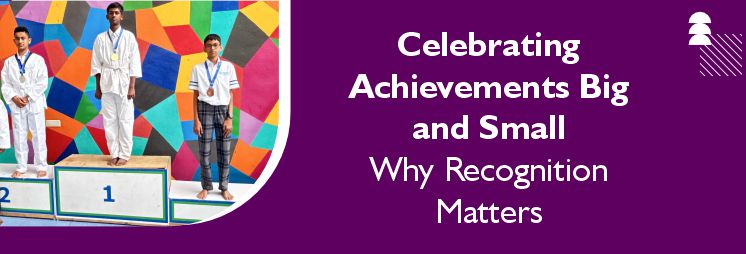
In every child’s journey, moments of success no matter how big or small—are powerful. Whether it’s a first step, solving a tricky puzzle, scoring a goal, or simply showing kindness, these moments are opportunities for celebration. At MWS Bengaluru, we believe that rewards and appreciation fuel motivation and self-confidence in children, laying the foundation for lifelong success. Celebrating achievements isn’t just about compliments or trophies it’s recognizing effort, growth, and resilience. In this blog, we explore why recognition matters, how it impacts motivation and self-confidence, and practical ways parents, teachers, and caregivers can celebrate achievements meaningfully. Why Recognition Matters for Children Children are constantly learning academically, socially, and emotionally. Recognition acts as positive feedback, helping them understand what they’re capable of. When children feel seen and appreciated: Rewards and Appreciation: The Heart of Motivation Rewards and appreciation are vital tools in nurturing a child’s growth. 1. Appreciation Builds Emotional Security Expressing gratitude to a child for their hard work tells them they matter. A simple “I’m proud of you” or “Great job!” reinforces a sense of belonging and emotional safety. Children who feel supported are more likely to take risks and explore new ideas. 2. Rewards Reinforce Positive Behaviour Appropriate rewards such as praise, small certificates, or privileges provide tangible reinforcement of good behaviour. Rewards tell children “This effort was meaningful” and motivate them to repeat the behaviour in the future. The key is to balance intrinsic and extrinsic motivation: rewards should support internal satisfaction, not replace it. Celebrating Small Wins Matters Just as Much DOften, big achievements get most of the attention. However, celebrating small wins is equally important. Why? For example, a child who reads an extra page, helps a sibling, or tries something unfamiliar deserves recognition. These small moments build confidence and reinforce positive habits. Practical Ways to Recognize and Reward Children Here are actionable and effective ways to celebrate achievements: 1. Use Specific Praise Instead of saying “Good job,” try: “Great effort on your math work you didn’t give up even when it was hard!” This type of praise shows that you are paying attention to how the child achieved something. 2. Create a Recognition Ritual Establish routines like: These rituals make appreciation a regular and meaningful habit. 3. Personalized Rewards Consider rewards that reflect the child’s interests extra playtime, choosing a family activity, a favourite snack, or drawing time. Rewards are most effective when they feel personal and earned. 4. Encourage Self-Reflection Ask questions like: Self-reflection helps children internalize their achievements and see their own growth. Celebration in Learning Environments At MWS Bengaluru, our programs emphasize recognition in every aspect of learning. From classroom milestones to creative accomplishments, our educators celebrate effort and progress. If you’re a parent looking for ways to boost motivation in your child, explore our parenting and development resources or connect with our team to learn about holistic growth programs. Encouraging kids to celebrate achievements supports academic learning as well as emotional well-being. You can read more about our child development approach on our About Us page. The Long-Term Impact of Recognition Research and child development experts highlight that children who receive consistent appreciation and positive reinforcement grow into adults with: Celebration isn’t superficial it’s transformative. When children learn that effort matters, they carry that belief into every new challenge. Supporting Parents and Caregivers Parents and caregivers play the biggest role in a child’s life. Here are tips to make recognition a daily practice: For more tips on parenting, motivation, and child confidence, check out our Insights & Resources section. Conclusion: The Power of Recognition Every achievement big or small matters. When we celebrate success, offer appreciation, and reward effort, we plant the seeds for a child’s motivation and self-confidence to flourish. These moments shape the way children see themselves and the world. They create stronger, braver, and more resilient learners and humans. At MWS Bengaluru, we encourage families and educators to embrace recognition as a powerful tool for growth. Celebrate often. Celebrate intentionally. And watch as children thrive.
Why Morning Routines in School Matter More Than You Think

Assemblies, meditation, and discipline set the tone for a productive day Every morning, long before textbooks open or classrooms fill with the hum of learning, something powerful unfolds within a school campus. The first hour of the day—often underestimated plays a transformative role in shaping how students think, feel, and behave throughout the day. At Millennium World School – Bengaluru North, the concept of morning routines is not just tradition; it is a carefully crafted foundation for student well-being, emotional balance, and academic readiness. In a world full of distractions and rising stress among school-going children, a purposeful start to the day provides direction, stability, and a sense of belonging. Morning routines such as school assemblies, guided meditation sessions, and value-based discipline practices do far more than teach punctuality; they build life skills, emotional resilience, and confidence. The Power of the Morning Assembly: More Than a Daily Gathering A school assembly might appear simple students standing in lines, listening, singing, and participating in short presentations. But to the developing mind, this daily ritual is deeply impactful. At Millennium World School Bengaluru North, assemblies bring together the entire learning community in a shared space of reflection and inspiration. By beginning the day as a united school, students experience a sense of belonging and collective identity. Assemblies also expose children to a variety of learning experiences beyond academics. Whether it is a thought-for-the-day, a skit, a news reading, or celebrating important days, students begin their mornings with ideas that spark curiosity and ignite creativity. When children listen to inspiring stories or real-life examples shared during the assembly, they internalise values such as empathy, honesty, responsibility, and kindness—values that shape their character. The act of standing together, singing together, and listening together brings discipline in a natural, respectful way. It teaches patience, attentiveness, and the ability to participate positively in a community skills essential for life. Meditation: A Calm Mind Creates a Strong Learner Imagine a classroom full of children beginning their day with a calm mind. This is not just idealistic it is a practice rooted in neuroscience. Studies show that meditation improves concentration, emotional stability, creativity, and memory. At Millennium World School Bengaluru North, guided meditation is woven into the morning routine to help students centre themselves before academic tasks begin. Even a few minutes of slow breathing and mindfulness allows children to: For younger children, meditation promotes self-regulation and helps them transition from the excitement of morning arrival to the peaceful readiness needed inside the classroom. For older students, it creates clarity and positivity making them more receptive to challenging lessons. Meditation is also deeply aligned with the school’s child-centered approach, emphasizing emotional well-being along with academic excellence. The practice empowers students not just to learn but to understand themselves better. Discipline: Setting the Right Tone for Responsibility and Growth Discipline is often misunderstood as something strict or punitive. But at Millennium World School Bengaluru North, discipline means cultivating habits that help children grow into self-reliant, respectful, and value-driven individuals. A structured morning routine helps students learn: By arriving on time, standing in queue, listening attentively, and participating meaningfully, students absorb discipline naturally. It becomes part of their personality, not something enforced from outside. Morning discipline also helps reduce morning chaos when students feel organised, they learn better. A predictable routine creates emotional security, which is essential for effective learning. How Morning Routines Shape the Entire School Day The morning sets the emotional and mental tone for what follows. A well-started day leads to: 1. Better Focus in Class Meditation and quiet reflection help students stay attentive and engaged. 2. Stronger Emotional Stability Children who feel grounded in the morning handle stress, challenges, and social situations better. 3. A Sense of School Identity Assemblies help students feel connected to the institution and its values. 4. Enhanced Academic Readiness When children start their day calm and organised, their learning abilities improve significantly. 5. Improved Behaviour and Social Harmony A positive morning routine reduces conflicts, increases cooperation, and creates a respectful learning environment. Why Millennium World School Bengaluru North Prioritises Morning Rituals At MWS Bengaluru North, the goal is simple yet powerful: to develop confident, emotionally strong, value-driven learners who excel in life. Morning routines are designed to nurture both the heart and the mind. From meaningful assemblies to moments of silence, from mindfulness practices to structured routines every element is carefully crafted to help children grow holistically. The school believes that children thrive when given stability, inspiration, and calmness at the start of their day. Parents often observe that children become more disciplined, emotionally balanced, and motivated when schools maintain consistent morning rituals and MWS continues to uphold this with pride. Conclusion: A Strong Morning Creates a Strong Future Morning routines in school are not small rituals; they are powerful tools that shape a child’s mindset for the entire day. Assemblies strengthen values, meditation nurtures emotional stability, and discipline builds character. Together, they create an environment where students feel supported, focused, and ready to learn. At Millennium World School – Bengaluru North, mornings are not rushed or mechanical they are meaningful, energizing, and deeply connected to the school’s philosophy of nurturing well-rounded individuals. When children begin their day with clarity, positivity, and purpose, they don’t just perform better they grow better. A good morning at school truly sets the stage for a successful, joyful future.
Why School Libraries Are Still the Most Magical Spaces

Step into the library at Millennium World School Bengaluru North and you’ll feel it immediately a gentle hush full of possibility, the soft rustle of pages, the wide-eyed wonder of children discovering stories that stay with them for life. In an age of screens, instant answers, and rapid consumption, the school library remains one of the few places where learning slows down and imagination opens up. Since its launch in 2019, Millennium World School has worked to lay the right foundation for the next generation blending values, innovative pedagogy, and rich co-curricular opportunities. The library is at the heart of that mission: a timeless space that encourages imagination, builds reading habits, and fosters a lifelong love for knowledge. A Launchpad for Imagination Books let children travel without moving. A picture book can send a 5-year-old to a jungle, a chapter novel can make a 10-year-old a detective, and a biography can inspire a teenager to dream bigger. Unlike fast-moving digital content, books invite readers to imagine, to fill in details, and to create mental worlds a mental exercise that strengthens creativity, empathy, and original thinking. This focus on imagination is built into MWS’s curriculum and learning philosophy, where creative thinking is treated as a core competency, not an optional extra. Where Reading Habits Begin and Last Many adults still remember the first book they truly loved. For most, that memory begins in a school library. At Millennium World School, reading isn’t a chore; it’s a celebration woven into school life. Students enjoy: These practices build vocabulary, concentration, comprehension, and empathy benefits that translate across subjects and last a lifetime. When children read by choice, reading becomes part of who they are. Learning for Joy, Not Just Marks Millennium World School believes education should shape both the mind and the heart. The library is one of the few school spaces where the focus is pure curiosity: no deadlines, no scores, just discovery. Children learn that knowledge is a joy, not merely a means to an exam result. That mindset is crucial to raising lifelong learners students who return to learning out of interest, not obligation. A Hub for Holistic, Inquiry-Led Learning The modern library at MWS complements classroom teaching by offering resources that go beyond textbooks: reference books, non-fiction titles, biographies, and thematic collections that support projects and personal interests. This approach aligns with the school’s experiential and holistic learning work see examples of how we blend inquiry and hands-on learning in our Experiential Learning pages. The library helps students learn how to ask better questions, verify facts, and connect ideas across disciplines. A Calm, Safe Space for Every Child In a busy school day, children need a quiet place to pause. The library offers that calm: a corner to curl up with a book, a shelf to browse at leisure, a librarian to recommend the next great read. This quiet time supports mental well-being and self-reflection part of the school’s larger commitment to whole-child wellness (learn more on our holistic development page). Whether a child is outgoing or shy, the library becomes a space where they can be themselves. Thoughtful Design + Caring Staff = Lasting Impact Millennium World School’s library is intentionally designed to welcome young readers: child-friendly shelves, comfortable nooks, theme-based displays, and a carefully curated collection across genres and age groups. A passionate librarian and supportive teachers help match children with books that spark joy and curiosity. This infrastructure sits alongside the school’s broader facilities and learning spaces see details on our Facilities page creating an environment where discovery and growth happen naturally. Why Libraries Still Matter in the Digital Age Yes, children can access information on devices. But screens can fragment attention and remove the tactile, immersive joy of reading. Libraries offer: Millennium World School blends technology where it helps, while making sure the magic of books remains central to a child’s experience. The Gift That Keeps Giving A library is more than a room filled with books it’s where a child meets a story that opens a new world, finds a fact that sparks a future hobby, or discovers a hero whose values become part of their own. These memories shape how children learn, play, and grow. At Millennium World School Bengaluru North, the library is treasured for exactly that reason. It supports the school’s mission to cultivate India’s finest minds by nurturing curiosity, empathy, and a lifelong love for learning. Conclusion Libraries are timeless because they give children what no algorithm can: space to imagine, time to think, and freedom to explore. At Millennium World School – Bengaluru North, the library is a living part of our educational vision a magical space where young minds begin a lasting love affair with reading and knowledge. At Millennium World School – Bengaluru North, this magic is not just preserved it is celebrated every day. The library reflects the school’s belief that education must inspire, empower, and nurture India’s finest future minds.
Creating a Safe and Happy School Environment for Every Child
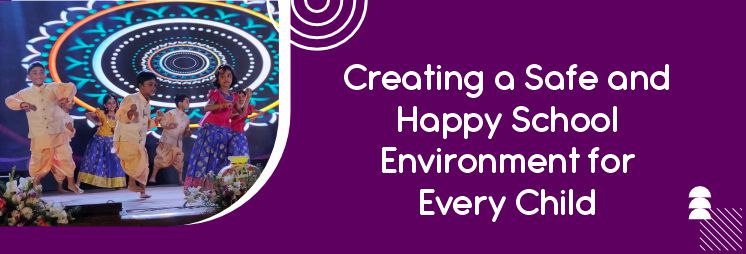
Walk into any school during morning arrival, and you’ll notice something instantly the atmosphere. Some spaces feel calm and inviting, while others feel rushed or overwhelming. At MWS Bengaluru North, the first thing children experience is warmth. Teachers greet them with familiar smiles. Friends wave enthusiastically. The campus feels alive, yet comforting. This is not accidental. It is the result of a conscious commitment to something profoundly important: creating a safe and happy environment for every child, every single day. Children spend a significant part of their lives in school, which means the environment around them deeply shapes their personality, confidence, emotional well-being, and sense of belonging. MWS has always believed that a great education doesn’t begin with books—it begins with how a child feels. When a child feels safe, respected, and understood, learning becomes joyful. Curiosity blooms. Confidence grows. And school becomes a place they look forward to, not just attend. One of the strongest pillars of this environment is emotional safety. Young minds carry big emotions, yet they don’t always have the words to express them. This is why teachers at MWS focus not just on what the child says, but how they feel. They take a moment to kneel to a child’s eye level, listen, and acknowledge their thoughts whether it’s excitement about a new project or hesitation about trying something unfamiliar. The tone in classrooms is gentle and encouraging, making children feel accepted exactly as they are. Mistakes are treated as stepping stones, not setbacks. This reduces fear and builds a mindset rooted in growth and resilience. Inclusivity forms another layer of MWS’s culture. To the school, inclusivity is not just about accommodating differences; it’s about celebrating them. Every child walks through the gates with a unique personality, background, set of abilities, and learning style. MWS ensures that each one feels at home. In classrooms, learning never follows a one-size-fits-all approach. Teachers adapt lessons to suit diverse learners whether a child understands better through stories, hands-on tasks, visuals, or discussions. This flexibility ensures no child feels left behind or overlooked. The learning environment is built on kindness and collaboration. Children learn to work together, help each other, and appreciate each other’s strengths. A child who may be shy in academic tasks may shine during an art activity; another who struggles with writing may be exceptional in sports. MWS makes sure every child finds something they feel proud of. There is no pressure to fit into labels. Instead, there is space to grow, explore, and discover one’s individuality. The celebrations on campus mirror India’s cultural diversity, helping children understand and appreciate different traditions and values. This exposure builds empathy and global-mindedness qualities that matter immensely in today’s world. At the heart of MWS’s philosophy is a child-centered approach. Everything from classroom design to teaching methods to activity planning is thoughtfully created from a child’s perspective. Learning at MWS is not passive; it is alive. Children explore concepts through experiments, discussions, role-play, outdoor activities, and real-world connections. They ask questions, express ideas, and make choices in their learning journey. When a child’s voice is heard, they feel valued. When their ideas are respected, they become confident. When they are encouraged to try, question, and create, they grow into independent, curious thinkers. This child-centered approach also extends to discipline. Instead of fear-based methods, MWS uses reflective practices. Children talk about their actions, understand consequences, and think about better choices next time. This builds accountability without harming self-esteem. It teaches children how to problem-solve and build stronger relationships skills that shape emotionally intelligent individuals. Well-being at MWS is holistic. Classrooms are designed with natural light, calming colors, comfortable seating, and child-accessible resources. Outdoor spaces are integrated into learning; children spend time in nature, play freely, and release energy in healthy ways. Yoga, movement breaks, mindfulness moments, and breathing exercises help students stay balanced and focused. Nutrition and physical activity form core parts of the daily routine. By addressing mind, body, and heart together, MWS ensures that children develop into grounded, healthy individuals. A strong school environment is incomplete without a strong partnership with parents. MWS values parent-school collaboration as a key ingredient in a child’s success. Through regular communication, interactive PTMs, workshops, and open conversations, parents remain closely connected to their child’s progress and well-being. When children receive consistent messages of support at both home and school, their confidence rises naturally. All these layers emotional safety, inclusivity, child-centered learning, and a warm, collaborative culture come together to create something powerful: a school where children truly feel happy. And when children are happy, they thrive. They participate more. They build friendships effortlessly. They trust their teachers. They feel responsible. They learn to handle challenges with optimism. Their creativity flourishes. Every day feels like an opportunity, not an obligation. At MWS Bangalore, happiness is not an extra advantage it is part of the school’s mission. The goal is not just to educate children academically, but to nurture individuals who are emotionally secure, compassionate, confident, and ready to take on the world with courage and kindness. Creating a safe school environment is not a one-time effort; it is a continuous commitment. MWS upholds this commitment every day, ensuring that each child who enters its doors feels cherished, celebrated, and deeply supported. For parents seeking a school where their child will be both protected and prepared for the future, MWS stands as a place where childhood is honored, learning is joyful, and every child’s well-being comes first.